From immersive game worlds and computer simulations to shared dreams, implanted memories, and constructed realities, these films explore what happens when experience itself can be designed.
What Counts as a Virtual Reality Movie?
Virtual reality movies turn questions about perception into places characters can enter, inhabit, manipulate, or mistake for ordinary life. This pillar includes immersive VR systems, computer-generated worlds, simulated realities, digital game spaces, shared dream environments, implanted experiences, and other deliberately constructed realities when that mechanism materially drives the story. Some films begin with characters knowingly entering an artificial world; others build suspense around whether what they are experiencing is authentic at all. The category can stretch beyond headsets and conventional VR when a movie is fundamentally about an engineered or mediated reality, but it excludes stories where games, screens, dreams, or reality-bending technology are only background details. Standalone stories and franchise entries that work independently are favored, so each selection can function as a clear entry point into the concept.
Virtual Reality Movies to Start With
These selections are representative entry points across simulation reveals, immersive VR games, digital worlds, shared dreams, memory engineering, and constructed realities. The order favors how clearly each film expresses the pillar, then variety, quality, and broad recognition rather than claiming a definitive ranking.
01
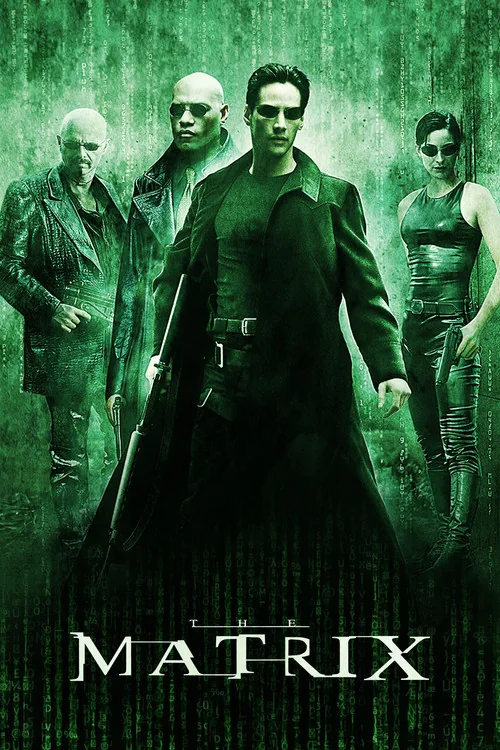
The Matrix
1999
Computer hacker Neo follows cryptic clues toward Morpheus, a rebel who claims the everyday world is not what it seems. Drawn into a hidden war, Neo learns that human experience can be generated and controlled inside the Matrix, a vast computer simulation whose rules can be bent by those who understand it.
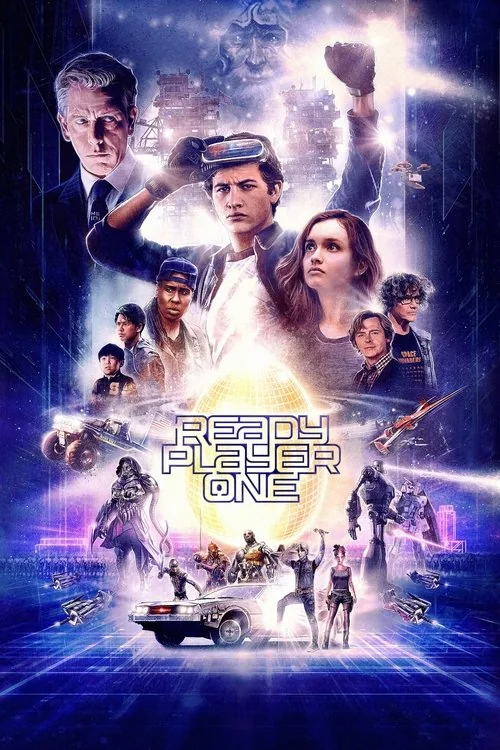
In a bleak 2045, teenager Wade Watts escapes into the OASIS, an enormous virtual-reality universe used for work, play, and social life. When its late creator leaves behind a contest for control of the system, Wade and other players race through digital worlds while a powerful corporation tries to seize the prize.
Game designer Allegra Geller survives an attack during a demonstration of eXistenZ, a bio-organic virtual-reality game entered through bodily ports. With reluctant escort Ted Pikul, she plugs back in to test the damaged system, moving through increasingly immersive game scenarios where programmed behavior and ordinary reality become difficult to separate.
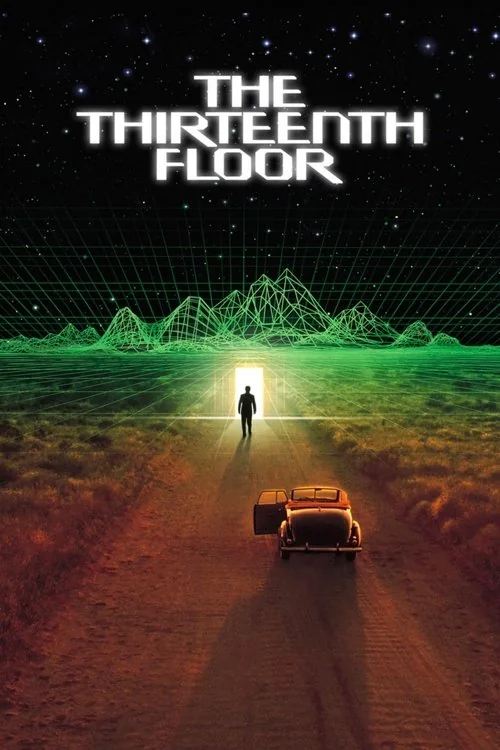
A technology company has built a detailed virtual reconstruction of 1937 Los Angeles, populated by artificial inhabitants who experience their world as real. After the system's creator is murdered, his protégé Douglas Hall enters the simulation looking for a hidden message, turning the virtual city into both an investigation and a challenge to his sense of reality.
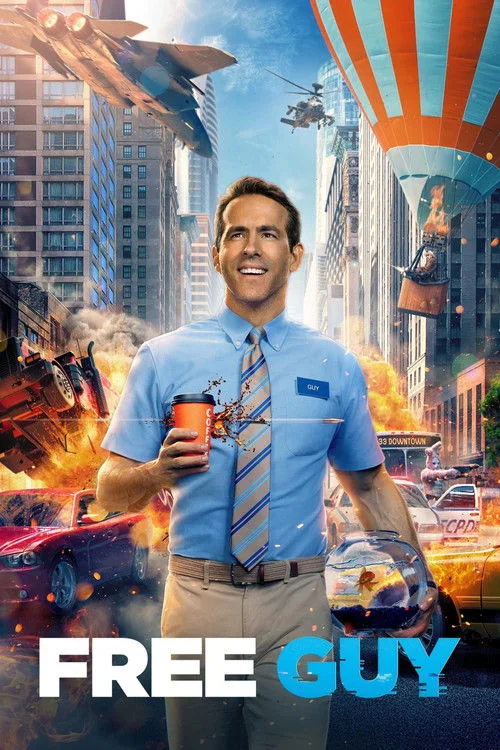
Guy is a cheerful bank teller in Free City, an online game where human players cause chaos around oblivious non-player characters. After noticing a mysterious avatar and acquiring a player's interface, he begins breaking from his scripted routine, forcing the people outside the game to confront the possibility that their digital world contains genuinely evolving artificial lives.
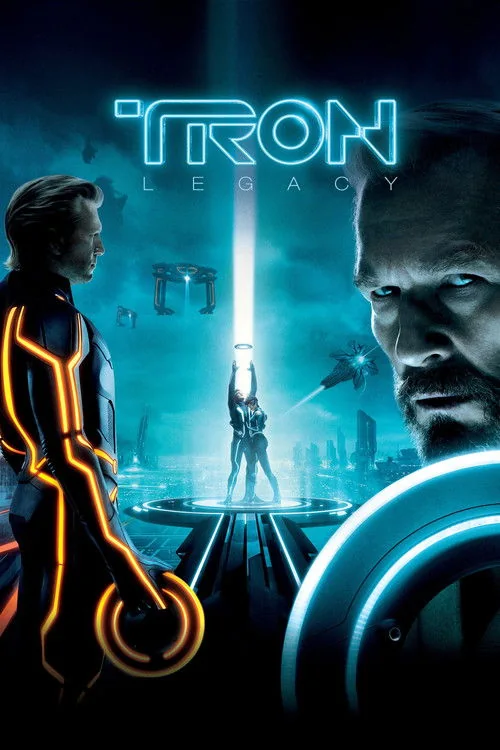
Sam Flynn investigates a mysterious signal from his missing father's old arcade and is digitized into the Grid, a vast computer world inhabited by programs. Trapped inside its neon arenas and authoritarian system, Sam must navigate a fully digital society whose conflicts can spill beyond the machine and into the human world.
Math prodigy Kenji Koiso helps moderate OZ, a massive online virtual world woven into everyday communication, commerce, and public infrastructure. When a powerful artificial intelligence hijacks accounts and disrupts the system, Kenji and an extended family must fight inside OZ while the consequences spread rapidly through the physical world.
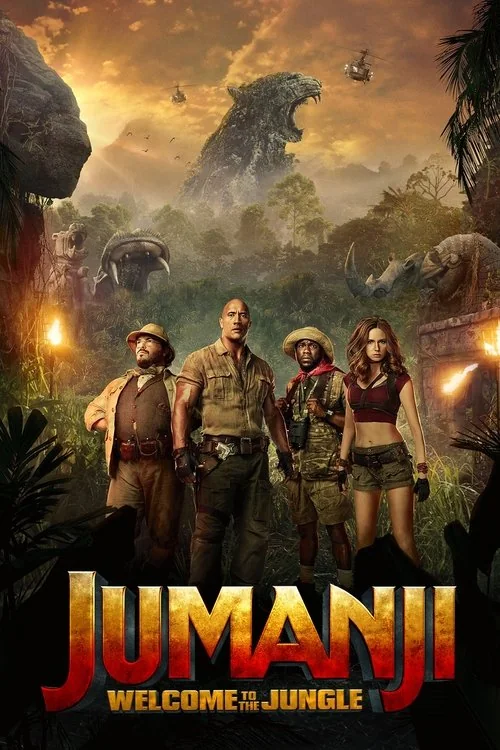
Four high-school students discover an old video game and are pulled physically into its jungle world, each inhabiting a very different avatar with game-like strengths, weaknesses, and limited lives. To return home, they must cooperate through levels, puzzles, and hazards while learning how the rules of Jumanji shape their new identities.
After a devastating car crash, wealthy César finds his life becoming increasingly unstable as memories, dreams, relationships, and waking experience seem to contradict one another. His search for an explanation gradually turns the film into an exploration of engineered perception and an artificial reality designed to feel as convincing as ordinary life.
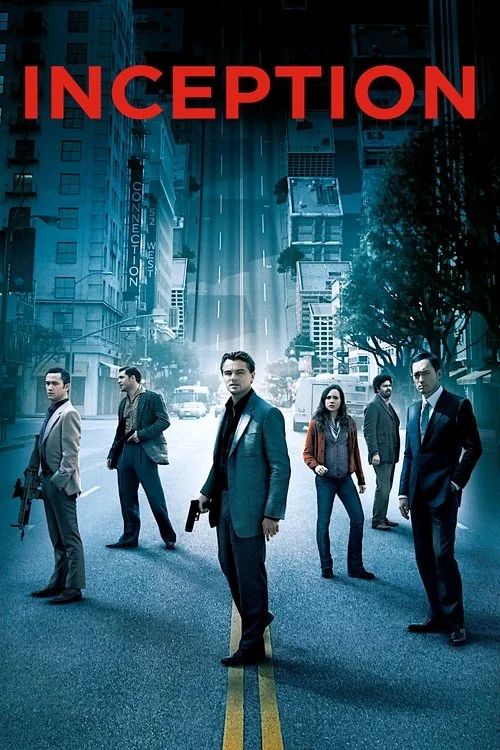
Dom Cobb leads specialists who use experimental technology to enter shared dreams and steal information from sleeping targets. Offered a chance to clear his past, Cobb assembles a team for a more difficult assignment: planting an idea instead. The mission unfolds across designed dream environments whose layered rules make perception, time, and reality increasingly unstable.
A psychiatric device called the DC Mini allows therapists to enter patients' dreams, turning private mental worlds into shared spaces that can be explored. When the technology is stolen and misused, researcher Atsuko Chiba and her dream-world alter ego Paprika pursue the intruder as dreams begin spilling unpredictably into waking life.
Construction worker Douglas Quaid buys an implanted memory of a fantasy vacation to Mars, complete with a secret-agent identity. The procedure goes wrong, and Quaid is pulled into violence and uncertainty over what he remembers. Its virtual-experience technology makes the boundary between manufactured memory and lived reality central to the story.
A movie qualifies here only when a virtual, simulated, digitally mediated, or deliberately constructed reality materially shapes the premise, conflict, or experience of the characters. The selection favors the clearest examples first, then balances different mechanisms, tones, eras, and styles. Ratings and popularity can help distinguish otherwise comparable choices, but they never override relevance to the concept.